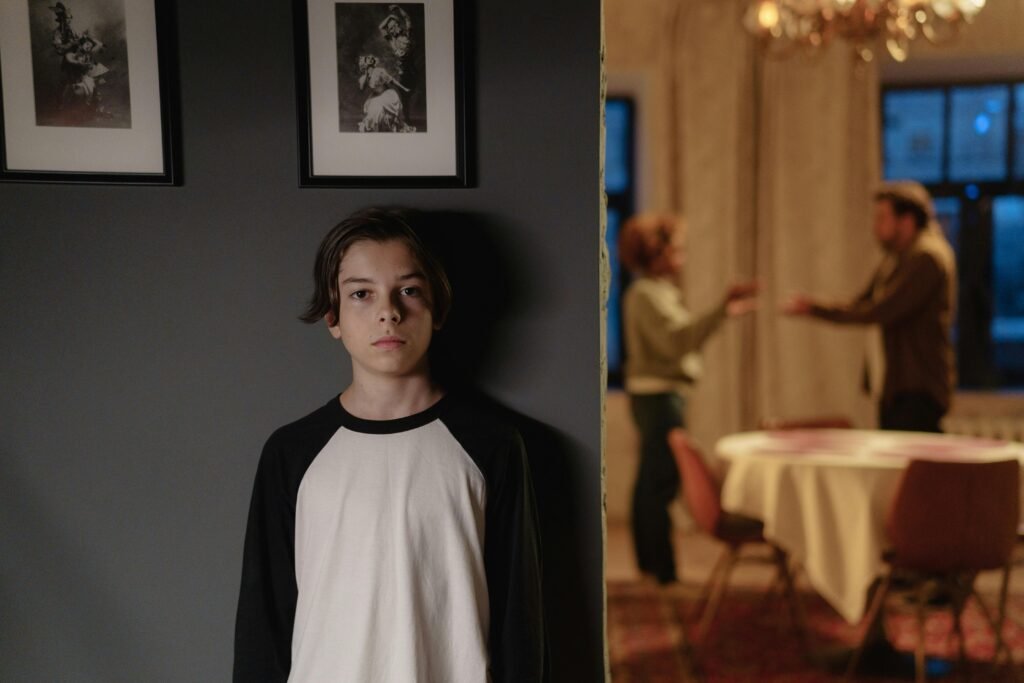
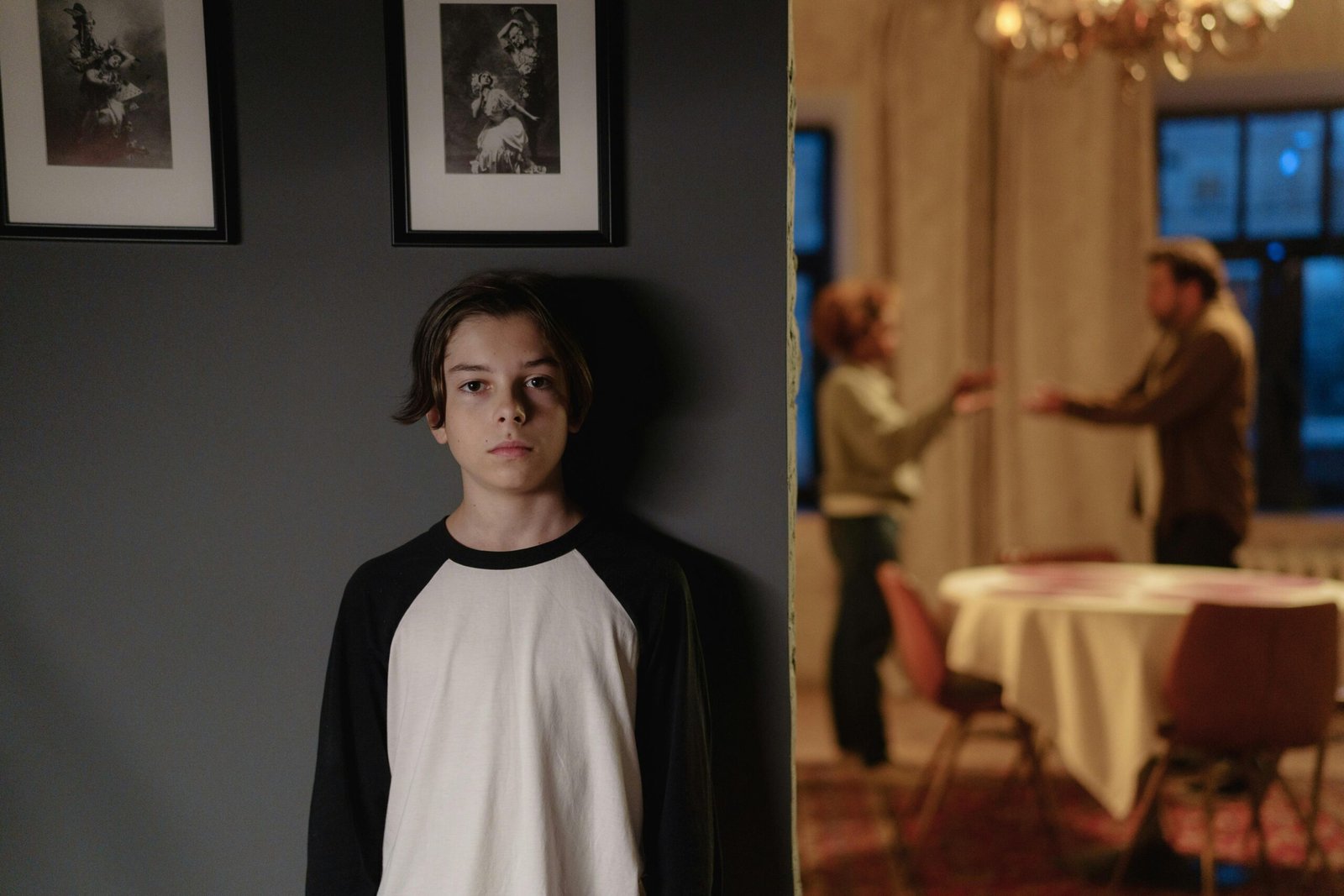

Home is supposed to be a place of comfort, safety, and emotional warmth. For children, it is where they first learn what love, security, and relationships look like. However, when a household is dominated by frequent parental conflict, that foundation begins to crack—often in ways that are invisible but deeply damaging.
Research consistently shows that exposure to intense or ongoing conflict between parents can significantly affect a child’s mental and emotional well-being. According to the World Health Organization, prolonged emotional stress during childhood increases the risk of anxiety disorders, depression, and long-term psychological difficulties.
The Psychological Impact on Children
Children who regularly witness parental fights often live in a constant state of emotional alertness. Raised voices, emotional withdrawal, or unresolved tension can trigger fear and insecurity. Even when conflicts are not physical, emotional aggression can be just as harmful.
Studies highlighted by the American Psychological Association indicate that children exposed to high-conflict environments may experience:
- Chronic anxiety and fear
- Depression and persistent sadness
- Low self-esteem and self-blame
- Difficulty regulating emotions
- Problems forming healthy relationships
Many children internalize conflict, believing they are somehow responsible for their parents’ unhappiness. This emotional burden often follows them into adolescence and adulthood.
Emotional Neglect and the Search for Love
When emotional safety is missing at home, children naturally seek comfort and validation elsewhere. The absence of affection, reassurance, and emotional presence can push them toward external sources of love and attention.
According to research supported by UNICEF, children who lack emotional support at home are more vulnerable to forming unhealthy attachments. In their search for love, they may enter toxic relationships, accept harmful behavior, or confuse attention with genuine care.
This does not happen because children are weak—but because they are emotionally unmet.

Learning Love by Observation
Children do not learn about love through instructions or discipline.
They learn by observing.
The way parents communicate, argue, and resolve disagreements becomes a template for a child’s understanding of relationships. When conflict is aggressive, unresolved, or constant, children may grow up believing that love is unstable, painful, or unsafe.
Healthy disagreement is normal in any relationship. The problem arises when conflict is disrespectful, frequent, or emotionally damaging.
What Parents Can Do
Parents don’t need to be perfect—but they do need to be mindful. Creating emotional safety can make a powerful difference in a child’s mental health.
Experts recommend:
- Avoiding heated arguments in front of children
- Resolving conflicts calmly and respectfully
- Reassuring children that they are not the cause of disagreements
- Showing affection, empathy, and emotional availability
A peaceful home does not guarantee a perfect future—but it gives children emotional strength, resilience, and clarity about what healthy love looks like.
Because sometimes, the deepest emotional wounds are not caused by the outside world…
They are formed quietly, within the walls of our own homes.